Humanite

The project was born out of a school challenge aimed at improving access to essential aid services for vulnerable populations in developing countries, with a strong emphasis on field constraints and real-world feasibility
Client:
Humanite
My Role:
UX Designer
Year:
2024
Service Provided:
Audit, wireframe
Context & Objective
In humanitarian contexts, the coordination between NGOs and local actors often suffers from a lack of digital tools, creating delays, inefficiencies, and a lack of visibility. Our mission was to design an intuitive, scalable platform to :
Improve access to real-time information for NGOs in the field
Facilitate beneficiary identification and resource tracking.
Simplify the process of service request and response coordination.
Problem
Most NGOs still rely on fragmented systems—Excel sheets, paper forms, or disconnected tools which leads to :
Delayed intervention times.
Poor tracking of beneficiary data.
Limited collaboration between actors on the ground
The challenge was to create a lightweight yet efficient solution that works in low-connectivity environments

Solution
User Research & Interviews
We interviewed NGO workers and field agents to understand their daily workflows and constraints. Insights showed the need for : Offline accessibility, Simplified data entry and Centralized dashboards to track activity in real time
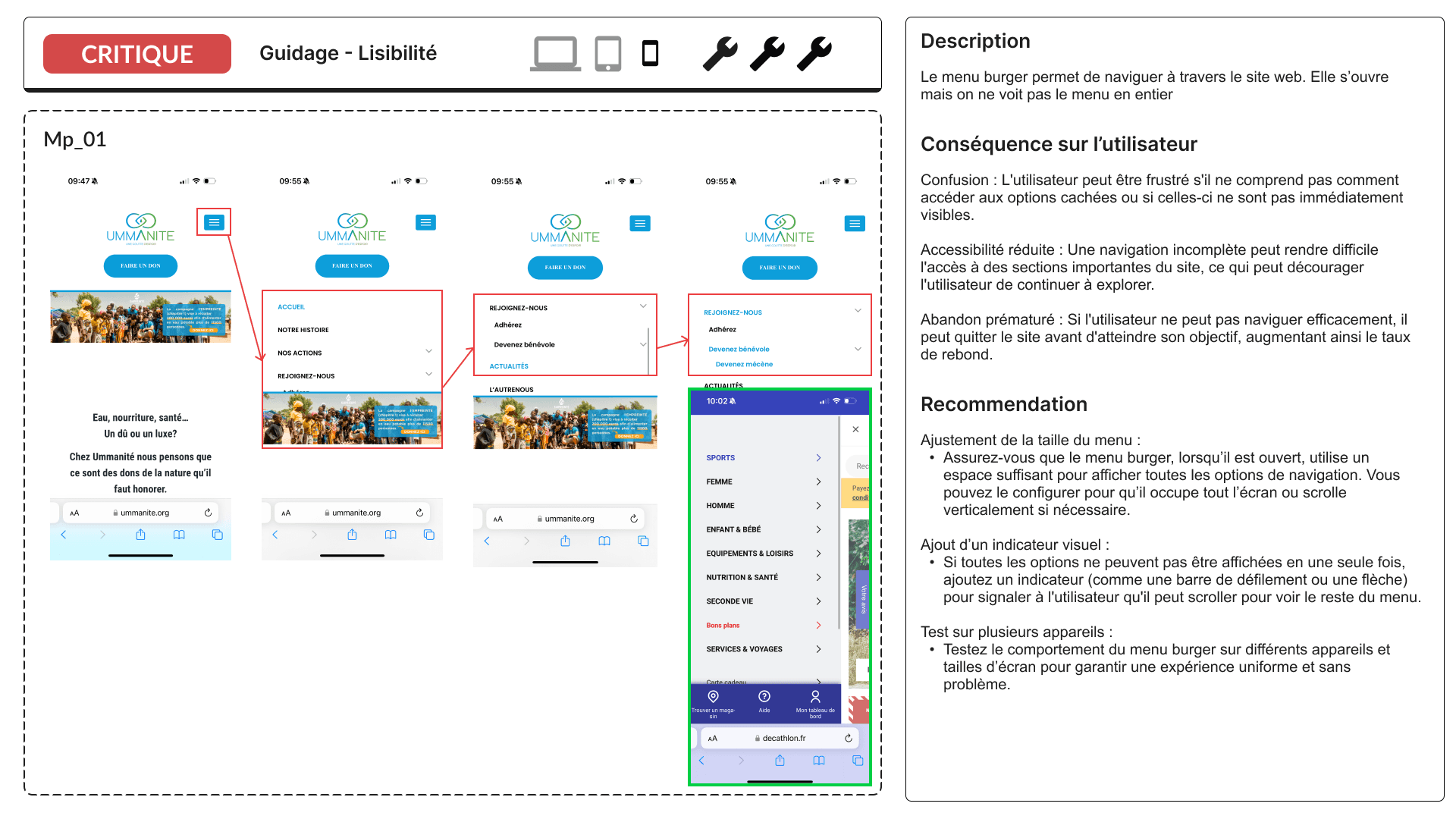
Audit & Benchmark
We analyzed existing systems such as KoboToolbox and ReliefWeb. We found that while these tools offer robust data collection, they lack integrated coordination features and user-centric design.
User Flow & Stories
We created detailed user flows based on common scenarios: registering a new beneficiary, managing service requests, and updating follow-ups. We also defined user stories to guide feature prioritization.
Wireframes & Prototyping
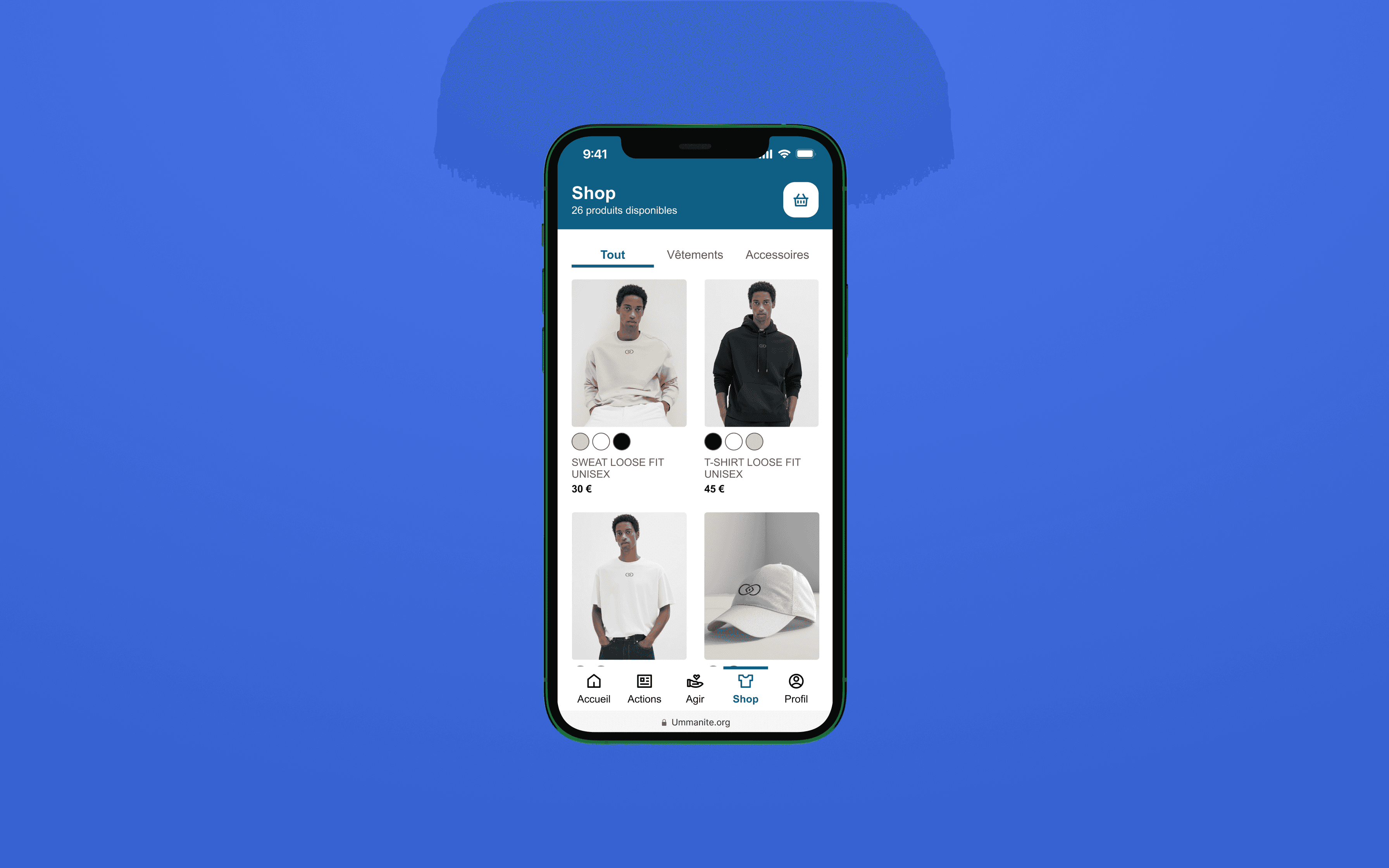
I designed mid- to high-fidelity wireframes showcasing the key interactions :
A homepage with clear access to core actions
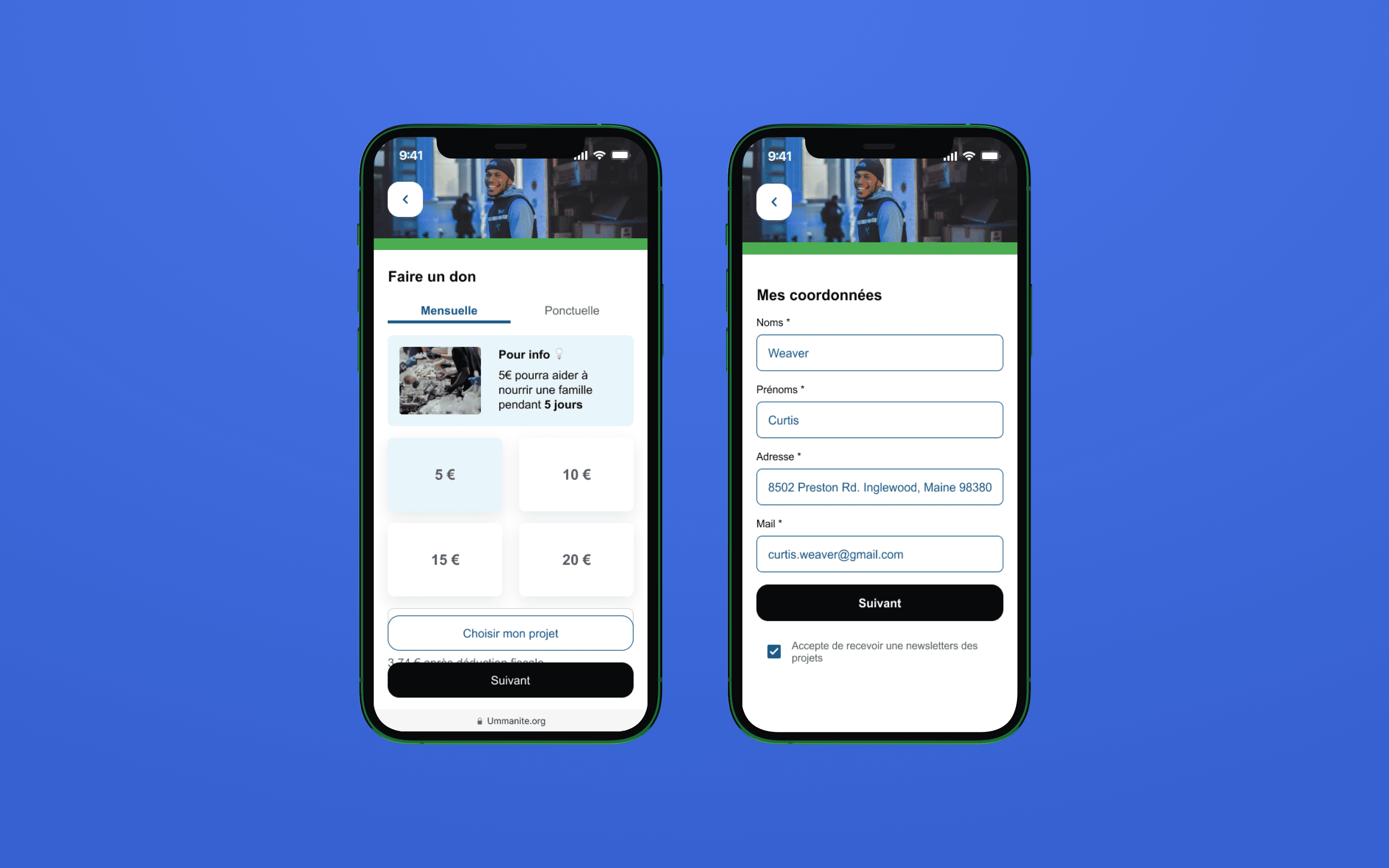
A guided flow for service delivery and beneficiary updates
Mobile-first design adapted to field realities
We then built an interactive prototype to simulate the full journey from request to resolution.
Component Library
We developed a UI kit with reusable components adapted to accessibility standards and NGO field constraints : Bold CTAs for urgent actions, Flexible card layouts to accommodate offline use and Clean, readable typography for multilingual support.
Prototyping & Design
Results
Increased Engagement : Users responded positively to the calendar based scheduling and group activity options.
Simplified Access : Automated recommendations reduced the friction typically involved in finding and joining sports activities.
Validated Experience : A 5-second user testing process confirmed clarity, intuitive navigation, and visual appeal.
Tools & Methods Used
F.O.C.U.S.E.D Method : Guided the entire design process with a clear focus on reducing production costs and optimizing product value.
User Interviews : Conducted guerrilla interviews with restaurant servers to gain qualitative insights into their workflow and pain points.
Reverse Brainstorming & Crazy 8 : Encouraged innovative, empathetic thinking.
Customer Journey Mapping & User Flow : Ensured seamless UX from ideation to development.
Design System Integration : Maintained brand identity while tailoring UX.